
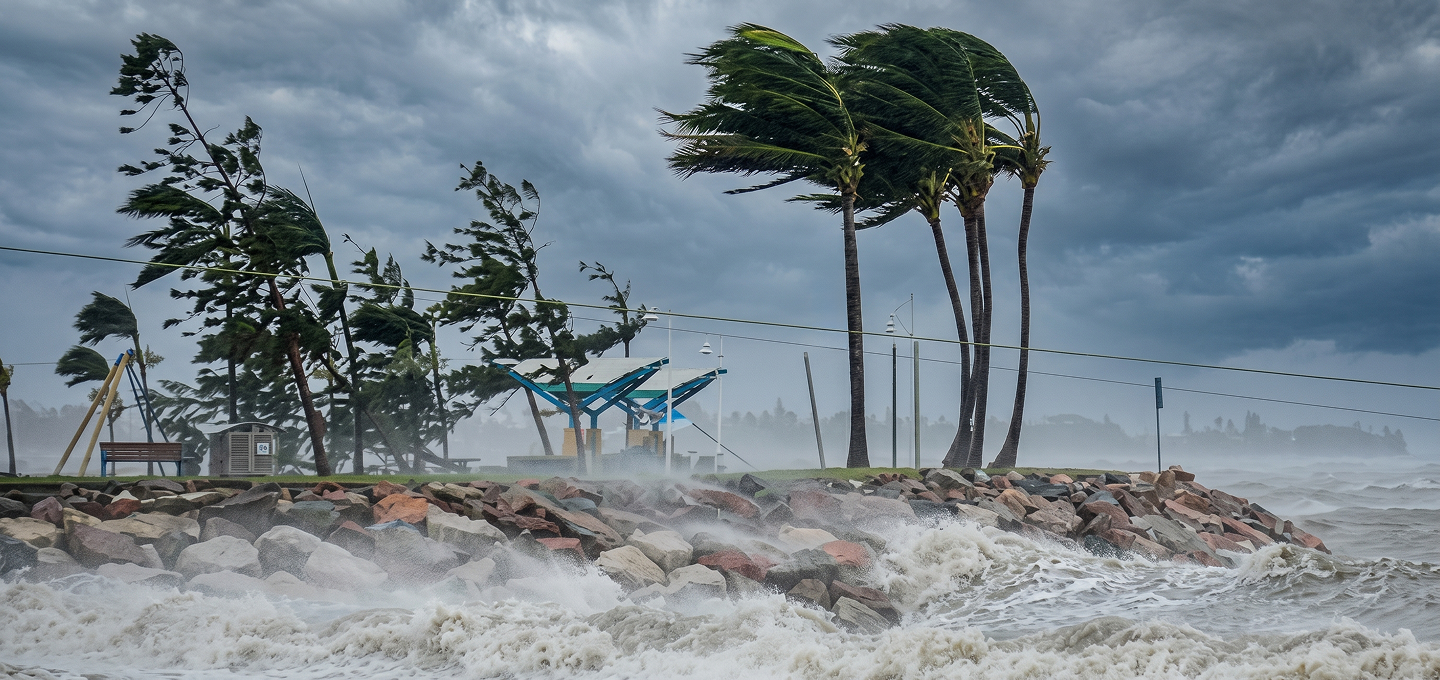
Extreme weather
kills people without
shelter
We are calling on every NSW council to develop a local
emergency response plan for extreme weather – and to
make sure that plan reaches every person sleeping
rough in their area.

The issue
Extreme heat and extreme cold are not inconveniences. For a person sleeping rough, they are life-threatening.
As climate change increases the frequency and severity of extreme weather events in Australia, people experiencing homelessness face growing risk. We do not have reliable national statistics on how many people die from exposure each year. What we do know is that every person without shelter is affected – and that most councils still do not have a plan.
A plan only works if the whole community is part of it. Council leads — but there is a role for everyone.

Code Red & Code Blue

Code Red —
Extreme heat
Activated when:
Average daily temperature exceeds 32°C for 3 consecutive days.

Code Blue —
Extreme cold
Activated when:
Any 2 of the following occur for 3 consecutive days:


What councils can do
Pass a motion to create a local plan
Work with local services to build the plan
Example:
Randwick Council motion
- Supports the development of uniform local emergency response plans in extreme weather events for every person in Randwick experiencing homelessness
- Writes to the Federal and State Ministers for Homelessness indicating support for a nationally uniform approach to the roll-out of emergency response plans
- That a report be brought back to Council outlining the proposed roadmap for both planning and implementing a local emergency response plan for extreme weather events affecting people experiencing homelessness in the Randwick LGA
A plan should provide access to:


and water

services

health support


to safety


Resources
Affordable
Housing Coalition:
Know the Code — Code Red and Code Blue
The Coalition
for the Homeless:
Code Red and Blue Preparedness Guide


Get involved
If you are a council member, a local service provider, or a community member who wants to push your council to act — we can help.
Contact our team to find out what a local plan could look like for your area, or how to raise this at your next council meeting.